

Retention ponds are developed to serve two functions, limit flooding and pollutant removal.
Preventing Pond Stratification
The effects of spring and especially fall turnover can be devastating to your pond. Turnover problems may not happen every year, but if turnover does occur, it could ruin a large investment in your pond.
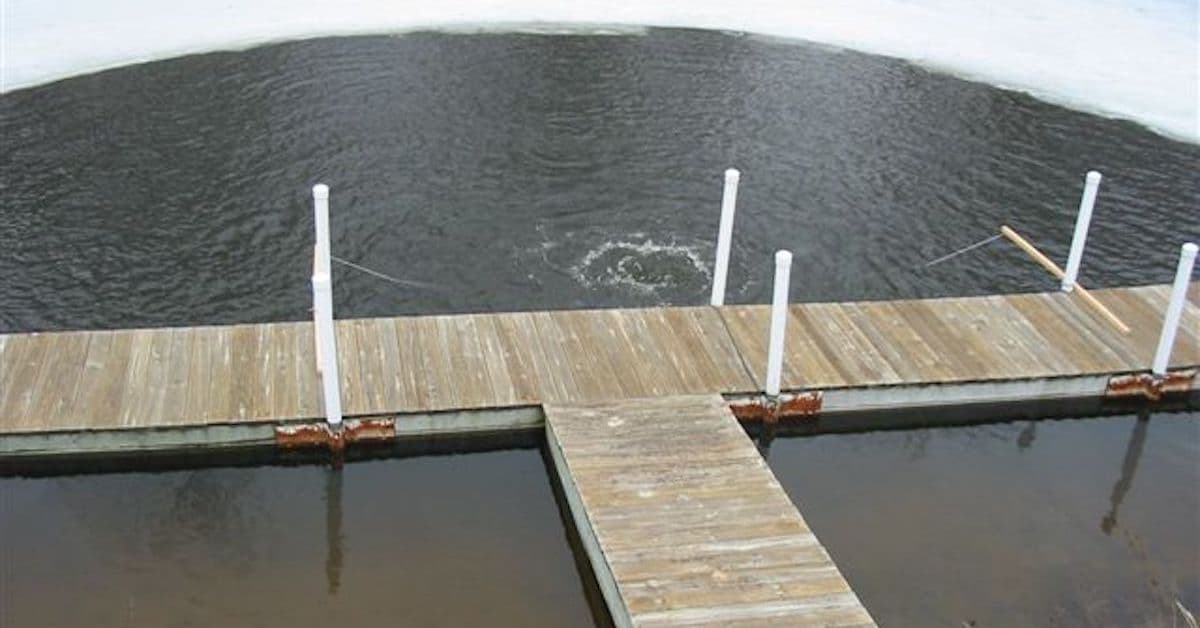
Ice expansion pressure is a vastly underrated damage risk. The size of a body of water is directly proportional to expansion damage risk potential. The larger the body of water, the larger the potential damage risk will be. Pressure damage...

Pond Stratification: #2 Pond Problem
Stratification is the layering of water by temperature and/or chemical properties and density.
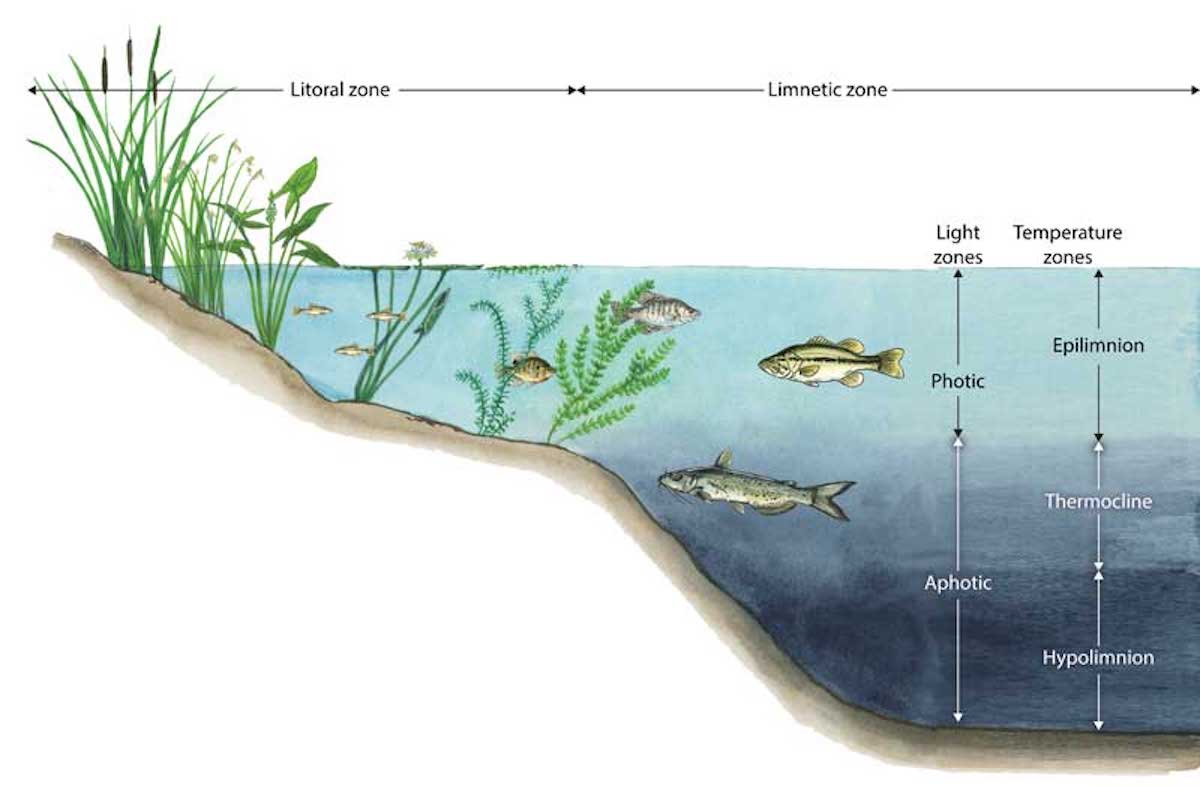
Pond & Lake Zone Identification
Every pond and lake is broken up into several zones. Continue reading for more details on each zone and their locations in the water column.
Ponds and lakes go through a natural aging process, and considering the “goal” of the erosion process is to fill in low areas with eroded earth from tall areas, the progression eventually fills in the pond or lake. In other words, nature’s goal is to turn your pond into land. Also, each pond or lake has several segments or zones.
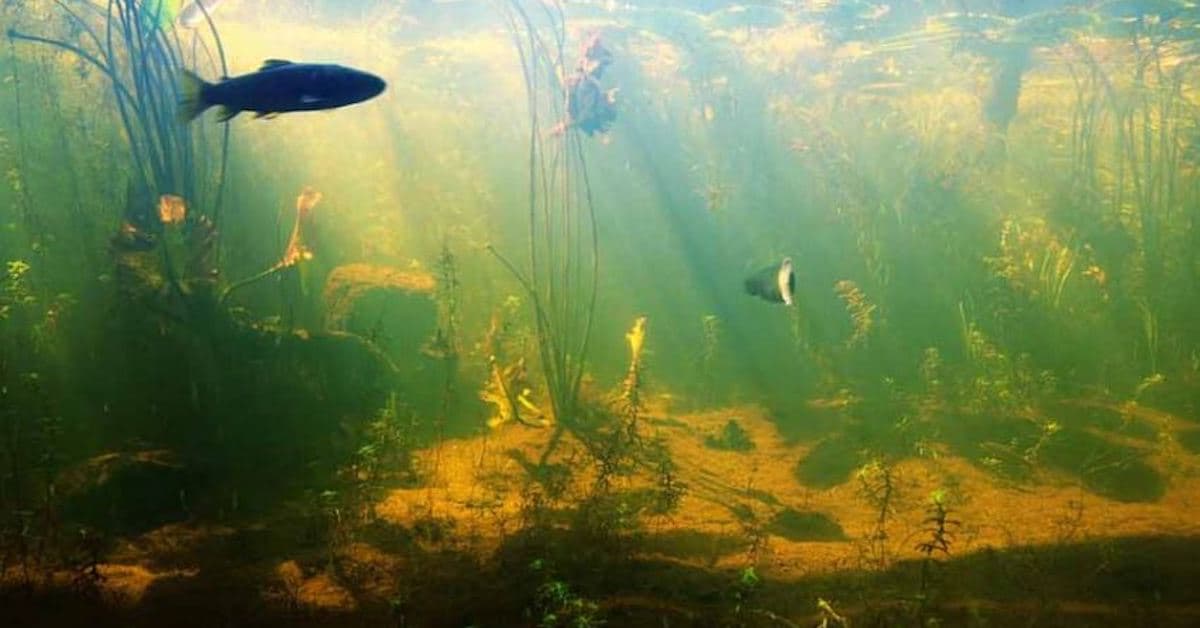
Introduction to Aquatic Plants
Despite often being the #1 complaint of many pond owner’s, aquatic plants do serve a vital purpose in any pond ecosystem. Learn why in this article.
Improve Retention Pond Performance
There are some things you can do to ensure your retention or detention pond is functioning efficiently. Learn how in this article.
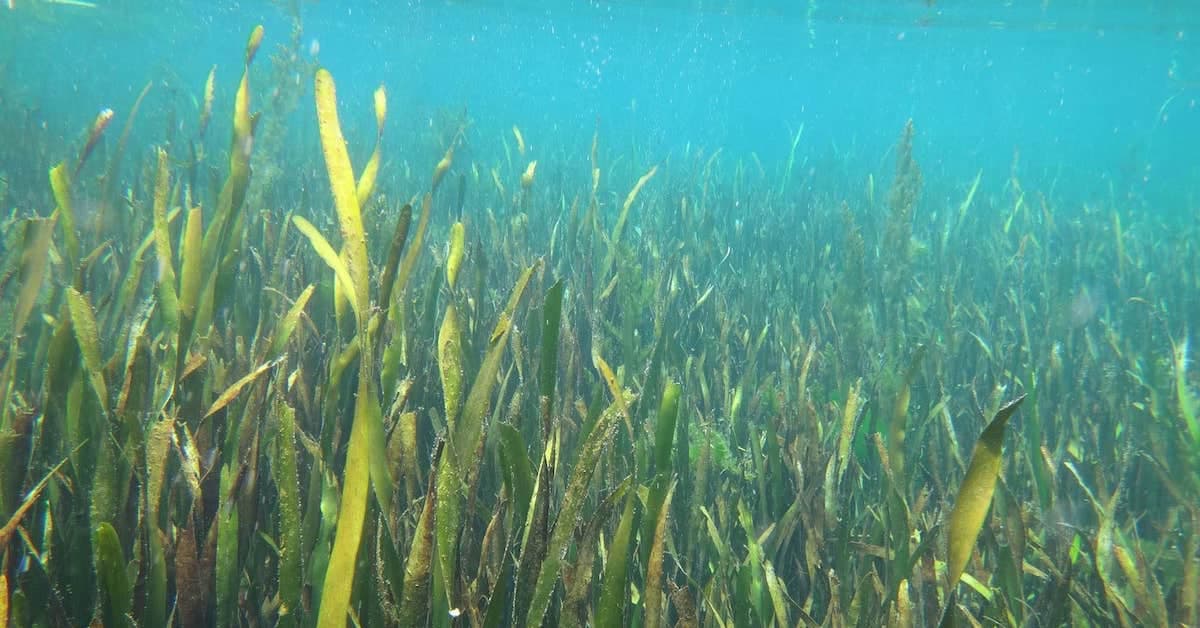
Common Submerged Aquatic Plants
Submerged aquatic vegetation are plants that are completely under the water and typically have a root system in the bottom sediment. Learn some more information about them here.