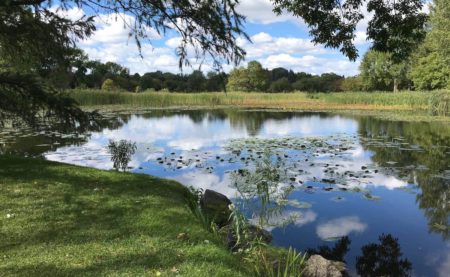
Maneras de prevenir los nutrientes y la erosión de llenar su estanque
10 de febrero, 2016
Ponds will fill in with both organic and inorganic sediment which will diminish the depth of your pond through the years. There are some key features to out-of-water design that will keep your pond younger, longer.
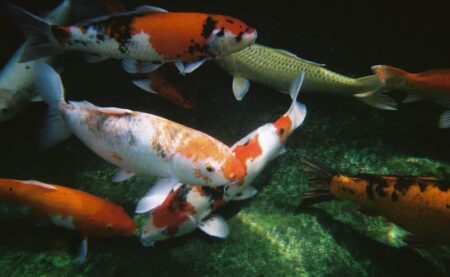
Profundidad adecuada para la salud de los peces
10 de febrero, 2016
La profundidad es clave en cualquier hábitat de estanque, pero la cantidad de profundidad necesaria a menudo depende de las especies de peces y su área geográfica.
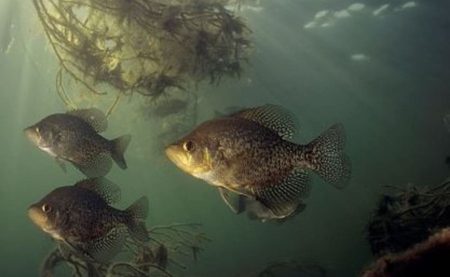
Estructura de estanque para mejorar el hábitat de peces
10 de febrero, 2016
Fish require structure for safety as well as for feeding and reproduction. Learn more about different types of natural and man made structures in this article.

Mejorar el hábitat de los peces y la salud del estanque con un contorno adecuado
10 de febrero, 2016
Varying bottom and shoreline contour add to the visual appeal of a pond, as well as to fish and overall pond health. Read this article and find out more.
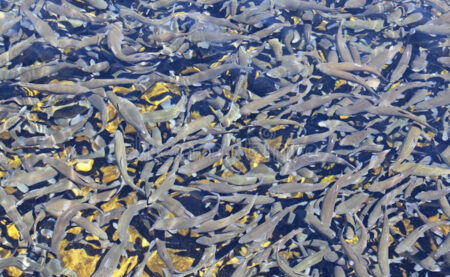
Cómo prepararse para la siembra de peces
10 de febrero, 2016
The right balance of predator/prey will ensure your pond can sustain itself with little interaction. This article will help familiarize you with proper fish stocking.
Determinación de las densidades de peces
10 de febrero, 2016
It is important to have balance in your pond when it comes to fish species and densities of those species. Here is some information to help you with fish stocking in your pond.
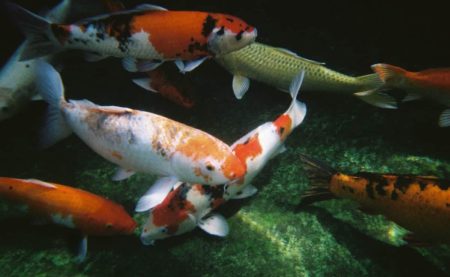
Selección de la especie adecuada
10 de febrero, 2016
Freshwater fish are typically split into 3 categories; Cold-water, warm-water, and cool-water. Read more to find the right species of fish that will thrive in your type of pond and geographic area.

Recolección selectiva de poblaciones de peces
10 de febrero, 2016
Don’t be afraid to harvest some fish from your pond. Selectively harvesting fish from your pond is a very effective way of maintaining a balance of forage and predator fish.